انتخاب میان تقابل و تعامل، آینده نسلها را رقم میزند
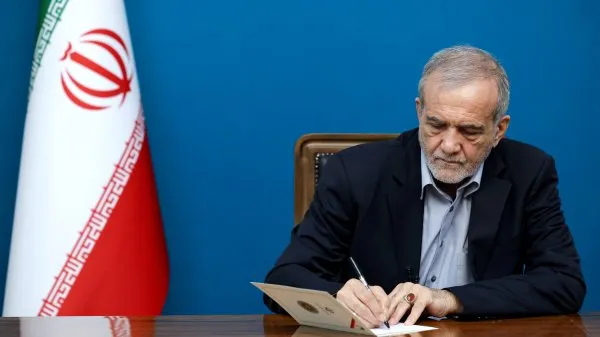
رئیسجمهوری در پیامی به مردم آمریکا با تاکید بر اینکه جهان امروز در نقطهای است که تداوم مسیر تقابل، بیش از هر زمان دیگری پرهزینه و بینتیجه است، تصریح کرد: انتخاب میان تقابل و تعامل، یک انتخاب واقعی و سرنوشتساز است؛ انتخابی که پیامدهای آن، آینده نسلها را رقم خواهد زد.
متن نامه مسعود پزشکیان خطاب به مردم آمریکا به شرح زیر است:
In letter to American people
President Pezeshkian says Iran has never initiated war
Iranian President Masoud Pezeshkian addressed the American public in a letter released on Wednesday, inviting people in that country to look beyond political rhetoric and reconsider the realities of Iran’s past, present, and aspirations for a future defined not by confrontation, but by truth, dignity, and mutual understanding. The president said in his letter that in a world shaped by competing narratives and deep geopolitical tensions, the relationship between Iran and the United States remains one of the most misunderstood. He emphasized that Iran has never, in its modern history, chosen the path of aggression, expansion, colonialism, or domination, and never initiated any war.
President Pezeshkian says Iran has never initiated war
The full letter is as follows:
In the name of God, the Compassionate, the Merciful
To the people of the United States of America, and to all those who, amid a flood of distortions and manufactured narratives, continue to seek the truth and aspire to a better life:
Iran—by this very name, character, and identity—is one of the oldest continuous civilizations in human history. Despite its historical and geographical advantages at various times, Iran has never, in its modern history, chosen the path of aggression, expansion, colonialism, or domination. Even after enduring occupation, invasion, and sustained pressure from global powers—and despite possessing military superiority over many of its neighbors—Iran has never initiated a war. Yet it has resolutely and bravely repelled those who have attacked it.
The Iranian people harbor no enmity toward other nations, including the people of America, Europe, or neighboring countries. Even in the face of repeated foreign interventions and pressures throughout their proud history, Iranians have consistently drawn a clear distinction between governments and the people they govern. This is a deeply rooted principle in Iranian culture and collective consciousness—not a temporary political stance.
For this reason, portraying Iran as a threat is neither consistent with historical reality nor with present-day observable facts. Such a perception is the product of political and economic whims of the powerful—the need to manufacture an enemy in order to justify pressure, maintain military dominance, sustain the arms industry, and control strategic markets. In such an environment, if a threat does not exist, it is invented.
Within this same framework, the United States has concentrated the largest number of its forces, bases, and military capabilities around Iran—a country that, at least since the founding of the United States, has never initiated a war. Recent American acts of aggression launched from these very bases have demonstrated how threatening such a military presence truly is. Naturally, no country confronted with such conditions would forgo strengthening its defensive capabilities. What Iran has done—and continues to do—is a measured response grounded in legitimate self-defense, and by no means an initiation of war or aggression.
Relations between Iran and the United States were not originally hostile, and early interactions between the Iranian and American people were not marred with hostility or tension. The turning point, however, was the ۱۹۵۳ coup d’état—an illegal American intervention aimed at preventing the nationalization of Iran’s own resources. That coup disrupted Iran’s democratic process, reinstated dictatorship, and sowed deep distrust among Iranians toward U.S. policies. This distrust deepened further with America’s support for the Shah’s regime, its backing of Saddam Hussein during the imposed war of the ۱۹۸۰s, the imposition of the longest and most comprehensive sanctions in modern history, and ultimately, unprovoked military aggression—twice, in the midst of negotiations—against Iran.
Yet all these pressures have failed to weaken Iran. On the contrary, the country has grown stronger in many areas: literacy rates have tripled—from roughly ۳۰% before the Islamic Revolution to over ۹۰% today; higher education has expanded dramatically; significant advances have been achieved in modern technology; healthcare services have improved; and infrastructure has developed at a pace and scale incomparable to the past. These are measurable, observable realities that stand independent of fabricated narratives.
At the same time, the destructive and inhumane impact of sanctions, war, and aggression on the lives of the resilient Iranian people must not be underestimated. The continuation of military aggression and recent bombings profoundly affect people’s lives, attitudes, and perspectives. This reflects a fundamental human truth: when war inflicts irreparable harm on lives, homes, cities, and futures, people will not remain indifferent toward those responsible.
This raises a fundamental question: Exactly which of the American people’s interests are truly being served by this war? Was there any objective threat from Iran to justify such behavior? Does the massacre of innocent children, the destruction of cancer-treatment pharmaceutical facilities, or boasting about bombing a nation back to the Stone Age serve any purpose other than further damaging the United States’ global standing?
Iran pursued negotiations, reached an agreement, and fulfilled all its commitments. The decision to withdraw from that agreement, escalate toward confrontation, and launch two acts of aggression in the midst of negotiations were destructive choices made by the U.S. government—choices that served the delusions of a foreign aggressor.
Attacking Iran’s vital infrastructure—including energy and industrial facilities—directly targets the Iranian people. Beyond constituting a war crime, such actions carry consequences that extend far beyond Iran’s borders. They generate instability, increase human and economic costs, and perpetuate cycles of tension, planting seeds of resentment that will endure for years. This is not a demonstration of strength; it is a sign of strategic bewilderment and an inability to achieve a sustainable solution.
Is it not also the case that America has entered this aggression as a proxy for Israel, influenced and manipulated by that regime? Is it not true that Israel, by manufacturing an Iranian threat, seeks to divert global attention away from its crimes toward the Palestinians? Is it not evident that Israel now aims to fight Iran to the last American soldier and the last American taxpayer dollar—shifting the burden of its delusions onto Iran, the region, and the United States itself in pursuit of illegitimate interests?
Is “America First” truly among the priorities of the U.S. government today?
I invite you to look beyond the machinery of misinformation—an integral part of this aggression—and instead speak with those who have visited Iran. Observe the many accomplished Iranian immigrants—educated in Iran—who now teach and conduct research at the world’s most prestigious universities, or contribute to some of the most advanced technology firms in the West. Do these realities align with the distortions you are being told about Iran and its people?
Today, the world stands at a crossroads. Continuing along the path of confrontation is more costly and futile than ever before. The choice between confrontation and engagement is both real and consequential; its outcome will shape the future for generations to come. Throughout its millennia of proud history, Iran has outlasted many aggressors. All that remains of them are tarnished names in history, while Iran endures—resilient, dignified, and proud.
در نامهای به مردم آمریکا
رئیس جمهور پزشکیان میگوید ایران هرگز جنگی را آغاز نکرده است
مسعود پزشکیان، رئیس جمهور ایران، در نامهای که روز چهارشنبه منتشر شد، خطاب به مردم آمریکا از مردم آن کشور دعوت کرد تا فراتر از لفاظیهای سیاسی نگاه کنند و واقعیتهای گذشته، حال و آرزوهای ایران برای آیندهای را که نه با رویارویی، بلکه با حقیقت، عزت و درک متقابل تعریف میشود، دوباره بررسی کنند. رئیس جمهور در نامه خود گفت که در جهانی که با روایتهای رقیب و تنشهای عمیق ژئوپلیتیکی شکل گرفته است، رابطه بین ایران و ایالات متحده همچنان یکی از سوءتفاهمشدهترین روابط است. او تأکید کرد که ایران در تاریخ مدرن خود هرگز مسیر تجاوز، توسعهطلبی، استعمار یا سلطه را انتخاب نکرده و هرگز آغازگر هیچ جنگی نبوده است.
رئیس جمهور پزشکیان میگوید ایران هرگز آغازگر جنگ نبوده است.
متن کامل نامه به شرح زیر است:
به نام خداوند بخشنده مهربان
به مردم ایالات متحده آمریکا و به همه کسانی که در میان سیل تحریفات و روایتهای ساختگی، همچنان به دنبال حقیقت و آرزوی زندگی بهتر هستند:
ایران - با همین نام، شخصیت و هویت - یکی از قدیمیترین تمدنهای مداوم در تاریخ بشر است. ایران با وجود مزایای تاریخی و جغرافیایی خود در زمانهای مختلف، هرگز در تاریخ مدرن خود، مسیر تجاوز، توسعهطلبی، استعمار یا سلطه را انتخاب نکرده است. حتی پس از تحمل اشغال، تهاجم و فشار مداوم از سوی قدرتهای جهانی - و با وجود برتری نظامی بر بسیاری از همسایگان خود - ایران هرگز آغازگر جنگی نبوده است. با این حال، قاطعانه و شجاعانه کسانی را که به آن حمله کردهاند، دفع کرده است.
مردم ایران هیچ دشمنی با سایر ملتها، از جمله مردم آمریکا، اروپا یا کشورهای همسایه، ندارند. ایرانیان حتی در مواجهه با مداخلات و فشارهای مکرر خارجی در طول تاریخ پرافتخار خود، پیوسته تمایز روشنی بین دولتها و مردمی که بر آنها حکومت میکنند، قائل بودهاند. این یک اصل ریشهدار در فرهنگ و آگاهی جمعی ایرانیان است - نه یک موضع سیاسی موقت.
به همین دلیل، به تصویر کشیدن ایران به عنوان یک تهدید نه با واقعیت تاریخی و نه با واقعیتهای قابل مشاهده امروزی سازگار است. چنین برداشتی محصول هوسهای سیاسی و اقتصادی قدرتمندان است - نیاز به ایجاد دشمن برای توجیه فشار، حفظ سلطه نظامی، حفظ صنعت تسلیحات و کنترل بازارهای استراتژیک. در چنین محیطی، اگر تهدیدی وجود نداشته باشد، اختراع میشود.
در همین چارچوب، ایالات متحده بیشترین تعداد نیروها، پایگاهها و قابلیتهای نظامی خود را در اطراف ایران متمرکز کرده است - کشوری که حداقل از زمان تأسیس ایالات متحده، هرگز جنگی را آغاز نکرده است. اقدامات تجاوزکارانه اخیر آمریکا که از همین پایگاهها انجام شده است، نشان داده است که چنین حضور نظامی واقعاً چقدر تهدیدآمیز است. طبیعتاً هیچ کشوری که با چنین شرایطی روبهرو شود، از تقویت قابلیتهای دفاعی خود چشمپوشی نمیکند. آنچه ایران انجام داده است - و همچنان انجام میدهد - یک پاسخ سنجیده مبتنی بر دفاع مشروع از خود است و به هیچ وجه آغازگر جنگ یا تجاوز نیست.
روابط بین ایران و ایالات متحده در ابتدا خصمانه نبود و تعاملات اولیه بین مردم ایران و آمریکا با خصومت یا تنش خدشهدار نشد. با این حال، نقطه عطف، کودتای ۱۳۳۲ بود - مداخله غیرقانونی آمریکا با هدف جلوگیری از ملی شدن منابع خود ایران. آن کودتا روند دموکراتیک ایران را مختل کرد، دیکتاتوری را احیا کرد و بیاعتمادی عمیقی را در میان ایرانیان نسبت به سیاستهای ایالات متحده ایجاد کرد. این بیاعتمادی با حمایت آمریکا از رژیم شاه، حمایت از صدام حسین در طول جنگ تحمیلی، اعمال طولانیترین و جامعترین تحریمهای تاریخ مدرن و در نهایت، تجاوز نظامی بیدلیل - دو بار، در بحبوحه مذاکرات - علیه ایران، عمیقتر شد.
با این حال، همه این فشارها نتوانستهاند ایران را تضعیف کنند. برعکس، این کشور در بسیاری از زمینهها قویتر شده است: نرخ سوادآموزی سه برابر شده است - از تقریباً ۳۰٪ قبل از انقلاب اسلامی به بیش از ۹۰٪ امروز؛ آموزش عالی به طرز چشمگیری گسترش یافته است؛ پیشرفتهای قابل توجهی در فناوری مدرن حاصل شده است؛ خدمات درمانی بهبود یافته است؛ و زیرساختها با سرعت و مقیاسی غیرقابل مقایسه با گذشته توسعه یافتهاند. اینها واقعیتهای قابل اندازهگیری و مشاهدهای هستند که مستقل از روایتهای ساختگی هستند.
در عین حال، نباید تأثیر مخرب و غیرانسانی تحریمها، جنگ و تجاوز بر زندگی مردم مقاوم ایران را دست کم گرفت. ادامه تجاوز نظامی و بمبارانهای اخیر عمیقاً بر زندگی، نگرشها و دیدگاههای مردم تأثیر میگذارد. این نشان دهنده یک حقیقت اساسی انسانی است: وقتی جنگ آسیبهای جبرانناپذیری به زندگیها، خانهها، شهرها و آینده وارد میکند، مردم نسبت به مسئولان بیتفاوت نخواهند ماند.
این یک سؤال اساسی را مطرح میکند: دقیقاً کدام یک از منافع مردم آمریکا واقعاً توسط این جنگ تأمین میشود؟ آیا هیچ تهدید عینی از سوی ایران وجود داشت که چنین رفتاری را توجیه کند؟ آیا قتل عام کودکان بیگناه، تخریب مراکز دارویی درمان سرطان، یا لاف زدن در مورد بمباران یک ملت و بازگرداندن آن به عصر حجر، هدفی جز آسیب بیشتر به جایگاه جهانی ایالات متحده دارد؟
ایران مذاکرات را دنبال کرد، به توافق رسید و به تمام تعهدات خود عمل کرد. تصمیم به خروج از آن توافق، تشدید تنش به سمت رویارویی و انجام دو اقدام تجاوزکارانه در بحبوحه مذاکرات، انتخابهای مخربی بود که توسط دولت ایالات متحده انجام شد - انتخابهایی که در خدمت توهمات یک متجاوز خارجی بود.
حمله به زیرساختهای حیاتی ایران - از جمله تأسیسات انرژی و صنعتی - مستقیماً مردم ایران را هدف قرار میدهد. چنین اقداماتی فراتر از اینکه جنایت جنگی محسوب میشوند، عواقبی دارند که بسیار فراتر از مرزهای ایران گسترش مییابند. آنها باعث بیثباتی میشوند، هزینههای انسانی و اقتصادی را افزایش میدهند و چرخههای تنش را تداوم میبخشند و بذر کینهای را میکارند که سالها ادامه خواهد داشت. این نمایش قدرت نیست؛ بلکه نشانه سردرگمی استراتژیک و ناتوانی در دستیابی به یک راه حل پایدار است.
آیا این درست نیست که آمریکا به عنوان نماینده اسرائیل، تحت تأثیر و دستکاری آن رژیم، وارد این تجاوز شده است؟ آیا این درست نیست که اسرائیل با ایجاد یک تهدید ایرانی، به دنبال منحرف کردن توجه جهانی از جنایات خود علیه فلسطینیان است؟ آیا آشکار نیست که اسرائیل اکنون قصد دارد تا آخرین سرباز آمریکایی و آخرین دلار مالیات دهندگان آمریکایی با ایران بجنگد - و بار توهمات خود را بر دوش ایران، منطقه و خود ایالات متحده در پی منافع نامشروع بگذارد؟
آیا "اول آمریکا" واقعاً جزو اولویتهای دولت ایالات متحده امروز است؟
من از شما دعوت میکنم فراتر از دستگاه اطلاعات نادرست - که بخش جداییناپذیر این تجاوز است - نگاه کنید و در عوض با کسانی که از ایران بازدید کردهاند صحبت کنید. مهاجران ایرانی موفق بسیاری را که در ایران تحصیل کردهاند و اکنون در معتبرترین دانشگاههای جهان تدریس و تحقیق میکنند، یا در برخی از پیشرفتهترین شرکتهای فناوری در غرب مشارکت دارند، مشاهده کنید. آیا این واقعیتها با تحریفاتی که در مورد ایران و مردم آن به شما گفته میشود، همسو هستند؟
امروزه، جهان بر سر یک دوراهی ایستاده است. ادامه مسیر رویارویی، پرهزینهتر و بیهودهتر از همیشه است. انتخاب بین رویارویی و تعامل، هم واقعی و هم مهم است؛ نتیجه آن، آینده نسلهای آینده را شکل خواهد داد. ایران در طول هزاران سال تاریخ پرافتخار خود، متجاوزان بسیاری را پشت سر گذاشته است. تنها چیزی که از آنها باقی مانده، نامهای لکهدار شدهای در تاریخ است، در حالی که ایران پابرجاست - مقاوم، باوقار و مغرور.
-
بعضی میگویند، چون ما برحق هستیم خشم مان مقدس است/ خشم چه حق باشد چه ناحق، باید پاسخ منطقی به آن داده شود
-
جبلی از ایستادگی در کدام مسیر میگوید؟
-
دورانی که اف-۳۵ و اف-۱۵ها هدف قرار میگیرند، آغاز شده است
-
چرا تنگه هرمز برای چین اهمیت دارد؟
-
پشت پرده توافق گرینلند؛ معاملهای برای مهار روسیه و چین در قطب شمال
-
همبستگی مردم ایران رمز اقتدار و پیروزی است
-
به سود تهران است که با مذاکره به جنگ پایان دهد
-
پزشکی هستهای ایران در لبه فناوری و تحقیقات روز دنیا حرکت میکند
-
شعر فارسی به روایتگر تحولات سیاسی و حماسی تبدیل شده است
-
شهریه مدارس غیردولتی اعلام شد
- پربازدیدترین
- پربحثترین
-
پاسخ دندانشکن قالیباف به نقدعلی
-
آمریکای امروز با قبل از جنگ تفاوت دارد؟
-
تحلیل ۹ دقیقهای از مردم، حکومت و حجاب
-
صداوسیما روانمان را به هم ریخته!
-
حیات یک عده در جنگیدن است
-
اظهار فضل در جهت باد
-
ایران اینترنشنال خواهان اشغال جزایر ایران شد!
-
خاطره جالب از عصبانیت رهبر شهید
-
تصویر دیپلماسی را در کشور خراب کردهاند
-
کلیپ عجیب از بازی مافیا برای جهاد تبیین!